AC Contractor Services: How They Work for Your Comfort
Home comfort depends on essential air conditioning systems. Critical services from aircon contractors guarantee efficient system operation. From installation to routine maintenance and emergency repairs, they handle everything. Understanding their role can help homeowners make informed decisions about their air conditioning needs. What considerations matter when selecting the right system? This topic exploration uncovers important insights for enhancing indoor comfort.
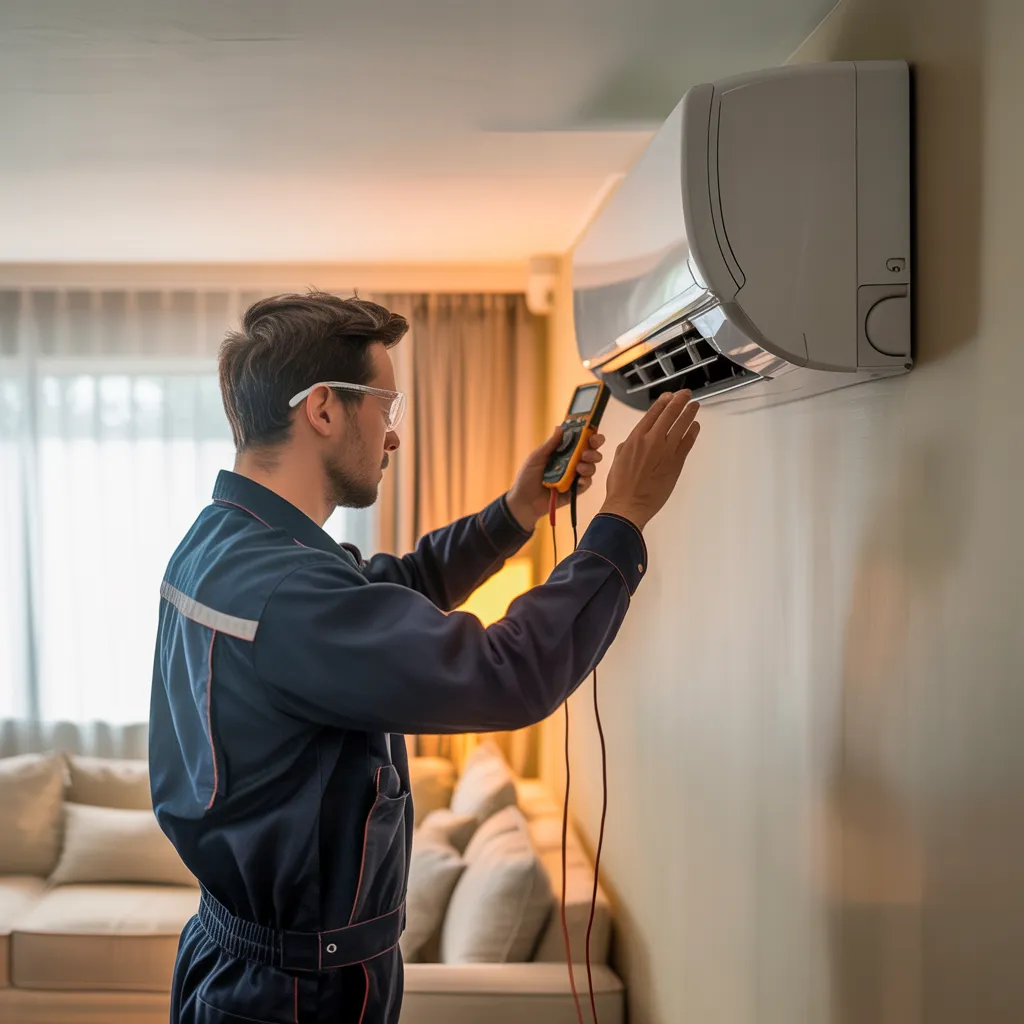
Comprehending Air Conditioning Systems
AC systems, that play a key role in preserving indoor comfort, are made up of several key components that work together to maintain temperature and humidity. The main elements include the compressor, condenser, evaporator, and expansion valve. The compressor transports refrigerant, while the condenser releases heat drawn from the indoor environment. The evaporator, positioned inside the building, cools the air by absorbing heat from the indoor space. The expansion valve controls the flow of refrigerant into the evaporator, ensuring ideal performance.
Furthermore, air conditioning systems commonly include filters that capture dust and allergens, enhancing indoor air quality. Thermostats regulate temperature settings, enabling users to customize their comfort levels. These systems can be central or localized, determined by the building's design and individual needs. By comprehending these components and their functions, individuals can understand the complexity and importance of air conditioning systems in creating a cozy living or working environment.
The Role of Aircon Contractors
Air conditioning contractors serve a vital function in the complete operation of air conditioning systems. Their responsibilities encompass installation and setup, regular maintenance services, and emergency repair support. By making certain these aspects are managed effectively, they significantly enhance the lifespan and performance of air conditioning units.
Setup & Installation
Expert air conditioning specialists play an important role in the installation and setup of HVAC systems, guaranteeing maximum performance and efficiency. These professionals begin by evaluating the specific requirements of a space, including its square footage, configuration, and insulation properties. They then suggest appropriate air conditioning units and create custom installation plans. During installation, contractors carefully handle all components, including the installation of indoor and outdoor units, ductwork, and electrical connections. Appropriate setup is crucial for peak airflow and energy efficiency. Contractors also carry out detailed checks to verify that the system performs according to manufacturer specifications. This careful consideration not only improves comfort but also significantly reduces the chance of future issues, offering peace of mind for property owners and business operators alike.
Regular Service and Maintenance
Regular maintenance services are vital for guaranteeing the longevity and efficiency of HVAC systems. Aircon contractors play a pivotal role in this process by delivering routine check-ups that include inspections, cleaning, and necessary adjustments. These services help discover potential issues before they worsen, ultimately saving costs on major repairs. Technicians regularly clean filters, check refrigerant levels, and inspect electrical components to sustain peak performance. Furthermore, consistent maintenance improves energy efficiency, which can contribute to lower utility bills for homeowners. By establishing a consistent maintenance schedule, aircon contractors help clients experience a comfortable indoor environment while extending the lifespan of their HVAC systems. Overall, proactive maintenance is a visit resource fundamental aspect of air conditioning care that promotes reliability and peace of mind.
Urgent Repair Assistance
Unanticipated system failures can interrupt indoor comfort, making emergency repair support an essential service delivered by aircon contractors. These professionals are skilled to respond promptly to urgent calls, ensuring that clients experience minimal downtime. When an air conditioning unit fails, contractors diagnose the issue effectively, utilizing specialized tools and expertise. They often offer 24/7 availability, understanding that temperature extremes can pose serious health risks.
AC contractors don't just resolve the critical malfunctions but also present advice for avoiding future failures. Their knowledge of diverse systems permits them to tackle a diverse array of issues, from coolant leakage to electrical failures. In the end, their prompt intervention works to bring back comfort in houses and offices, reinforcing the significance of having trustworthy emergency repair assistance.
Installation Services: What to Expect
When evaluating air conditioning installation services, homeowners can look forward to a organized process that provides optimal performance and efficiency. Initially, a professional contractor will conduct a comprehensive assessment of the home, analyzing factors such as size, layout, and insulation. This assessment helps determine the appropriate air conditioning unit to meet particular cooling needs.
Following the inspection, the contractor will present a detailed installation plan, which includes equipment selection, placement, and any needed modifications to the existing infrastructure. Homeowners can expect the contractor to handle all elements of the installation, including securing permits and verifying compliance with local building codes.
Once the installation begins, technicians will meticulously install the system, integrating electrical components and air ducts as appropriate. After installation, the contractor will carry out a meticulous performance check to validate the system works effectively. Homeowners can enjoy peace of mind knowing their new air conditioning system is set up correctly and ready to deliver superior comfort.
Preventive Care and Maintenance
Quality maintenance and proactive care are vital for maintaining the longevity and efficiency of an air conditioning system. Regular inspections and servicing by professional aircon contractors help discover potential issues before they turn into major problems. These services typically include changing or cleaning filters, monitoring refrigerant levels, and inspecting electrical components.
Additionally, contractors frequently examine the total performance of the system, guaranteeing it performs at optimal efficiency. Scheduled maintenance can lead to enhanced air quality, reduced energy consumption, and enhanced comfort in indoor environments.
Homeowners are encouraged to establish a maintenance schedule, which may include periodic assessments, to increase the lifespan of their units. By adopting preventive care, homeowners can sidestep unexpected breakdowns and costly repairs, ultimately leading to significant savings over time. This proactive approach creates a consistent and cozy indoor environment, making it a wise choice for any air conditioning system.
Maintenance Services: Troubleshooting Prevalent Problems
How can homeowners rapidly detect troubles with their air conditioning systems? Spotting common symptoms can enable pinpointing problems at an early stage. For instance, if the air conditioner doesn't cool efficiently, it may point to troubles with the refrigerant levels or a faulty compressor. In addition, unusual noises, such as grinding or squealing, often indicate mechanical failures that need immediate attention. Homeowners should also watch for indicators of poor airflow, which may suggest clogged filters or ductwork problems.
A further key sign is the presence of water or leakage around the unit, indicating potential refrigerant leaks or drainage issues. Odors, particularly musty or burnt odors, can indicate electrical issues or mold growth. By staying alert to these symptoms, homeowners can enable timely repairs, ensuring the air conditioning system runs efficiently and extending its lifespan. Consulting a professional aircon contractor for a complete diagnosis is crucial for accurate repairs.
Choosing the Right Air Conditioning System
Selecting the right air conditioning system requires thoughtful evaluation of multiple factors. An overview of system types, energy efficiency ratings, and installation space requirements can guide this decision-making process. Grasping these elements helps guarantee optimal performance and comfort in any setting.
System Types: An Overview
Picking the right air conditioning system is vital for ensuring comfort and efficiency in any space. Multiple system types accommodate different needs and environments. Central air conditioning systems are perfect for larger homes, offering consistent cooling through a network of ducts. Ductless mini-split systems provide flexibility and are ideal for homes without existing ductwork, permitting zoned cooling. Window units function as a economical solution for smaller spaces, while portable air conditioners provide mobility and convenience. Additionally, geothermal systems utilize the earth's temperature for efficient cooling and heating. Each type offers unique advantages, making it crucial for homeowners to assess their specific requirements and space characteristics before choosing the most suitable air conditioning solution.
Energy Efficiency Aspects
During the evaluation of air conditioning systems, energy efficiency emerges as a critical factor impacting overall performance and operating costs. Consumers are more and more aware of the importance of selecting systems that minimize energy consumption while maintaining comfort. The Seasonal Energy Efficiency Ratio (SEER) and the Energy Efficiency Ratio (EER) are crucial metrics that reveal how effectively an air conditioning unit operates. Higher ratings denote better efficiency, resulting in lower utility bills. In addition, choosing systems with variable speed compressors can enhance energy savings by adjusting output in line with cooling demands. Energy-efficient models may also meet requirements for government incentives or rebates, making them financially advantageous. Finally, prioritizing energy efficiency not only supports the environment but also ensures long-term savings for homeowners.
Space Needed for Installation
Appropriate installation space is essential for maintaining optimal performance and longevity of air conditioning systems. Adequate clearance around the unit is essential to facilitate airflow and avoid overheating. Manufacturers typically specify minimum distances from walls, ceilings, and other obstructions to maximize efficiency. Moreover, the location of ductwork and electrical connections can influence installation feasibility.
For split-type systems, indoor units require adequate wall space for fitting, while exterior units must have enough space at ground level for drainage purposes and maintenance needs. Considering the room dimensions being cooled is likewise vital; more expansive rooms may necessitate multiple components or an enhanced system. Overall, recognizing these requirements for installation space is crucial for selecting the right air conditioning system that effectively satisfies comfort requirements.
Popular Questions
How Do I Know When to Replace My Air Conditioning Unit?
Signs demonstrating the need for air conditioning system replacement include frequent breakdowns, escalating energy bills, erratic cooling, and the unit being more than 10-15 years old. Analyzing these factors can guide educated decision-making related to replacement.
What Are the Signs of an Inefficient Air Conditioning System?
Signs of an suboptimal air conditioning system include inconsistent temperatures, higher energy bills, peculiar noises, constant cycling, and reduced airflow. These warning signals suggest that the system may necessitate maintenance or replacement to guarantee peak performance.
How Can I Enhance My Air Conditioner's Energy Efficiency?
To increase an air conditioner's energy efficiency, one should routinely clean or replace filters, seal ductwork, use programmable thermostats, ensure proper insulation, schedule professional maintenance, and consider energy-efficient models to lower overall energy consumption.
Are Aircon Contractors Available Round-the-Clock for Emergencies?
Indeed, several aircon contractor services offer 24-hour availability for emergencies. This guarantees that customers can obtain immediate assistance during unexpected breakdowns, preserving comfort and avoiding further damage to their air conditioning systems.
What Kind of Warranties Can You Expect from Aircon Contractors?
HVAC contractors commonly provide warranties that cover parts and labor for a designated period, often ranging from one to ten years. Some may provide extended warranties for added expense, ensuring customer satisfaction and protection against potential issues.